Mid Century Modern or Eichler?
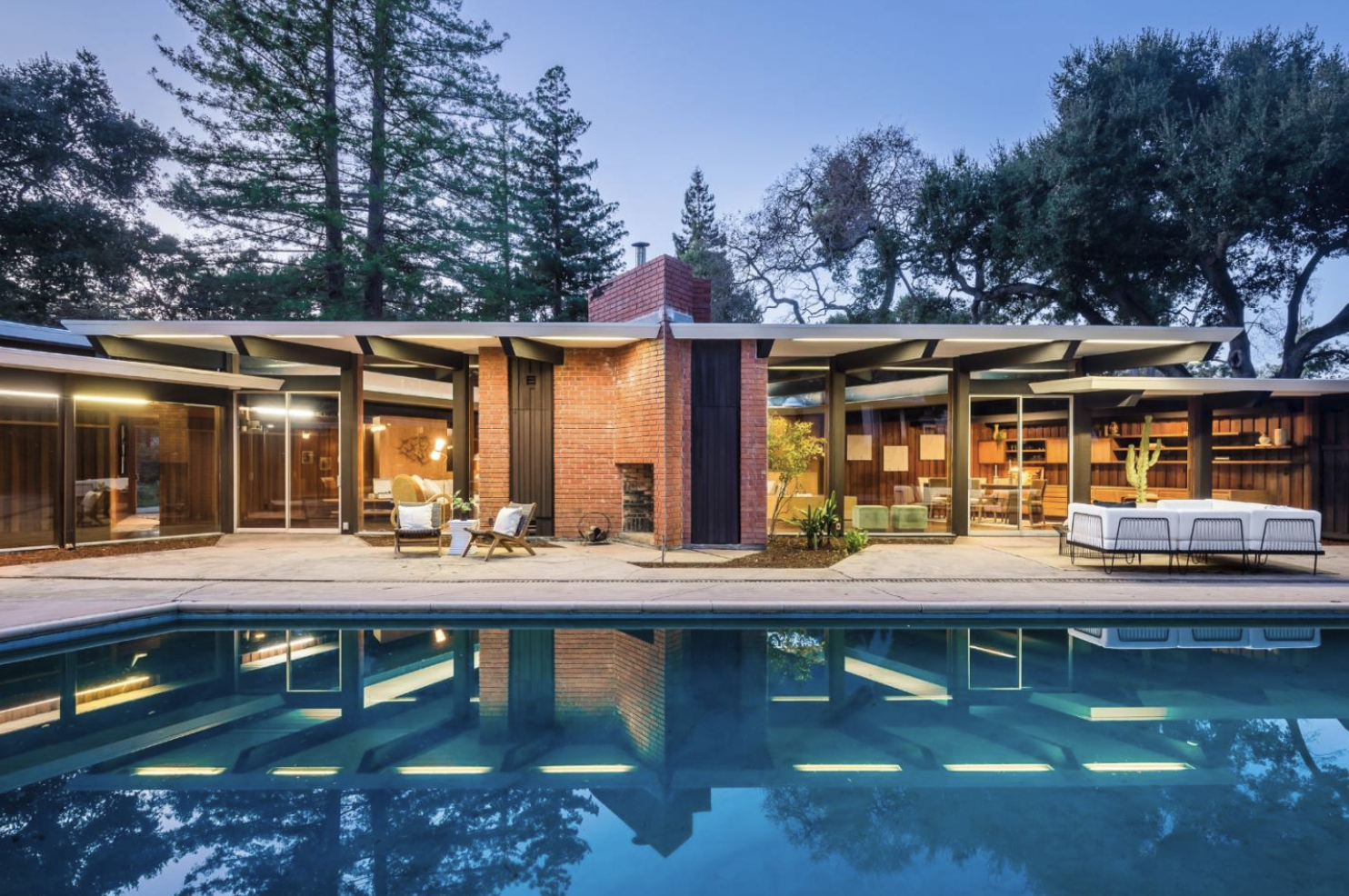
19 Irving Ave. Atherton | Joseph Eichler’s home
What's the Difference and Why Do Silicon Valley Buyers Love Them?
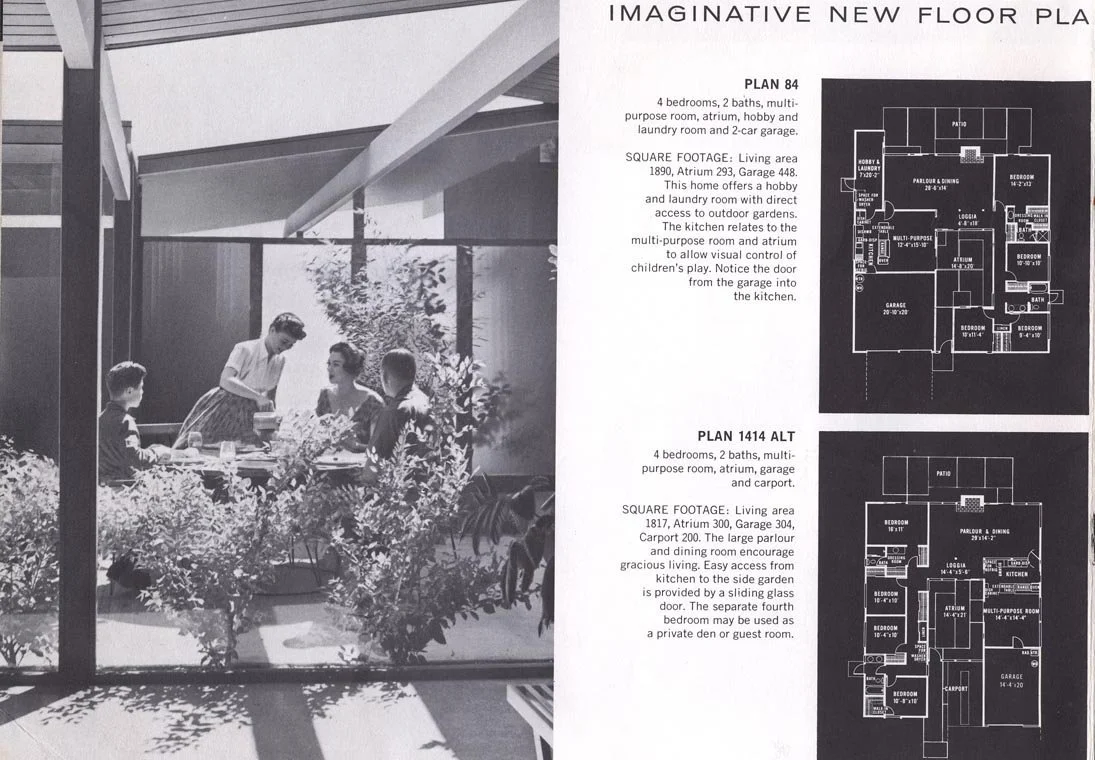
What exactly makes a home an Eichler—and how is it different from other mid-century modern homes? In this first post of our eight-part series, we’ll explore Eichler himself, the defining features, his philosophy, and why these homes are still so popular today.
Joseph Eichler: A developer who didn't set out to be a design icon
Joseph Eichler wasn't an architect. He was a dairy executive. In the 1940s, somewhat by accident, he ended up renting a home in Hillsborough designed by Frank Lloyd Wright. He lived in it for a while, and something about it stuck with him: the way light moved through the rooms, the way the house integrated seamlessly with the outdoors.
Not long after, the family dairy business folded, and Eichler needed a new direction. He didn't become an architect. He became a builder with a mindset for the middle class. His desire to build light-filled, architecturally interestin affordable homes, led hime to build more than 11,000 homes, and the overwhelming majority are right here in the Bay Area.
What actually makes a house "an Eichler"
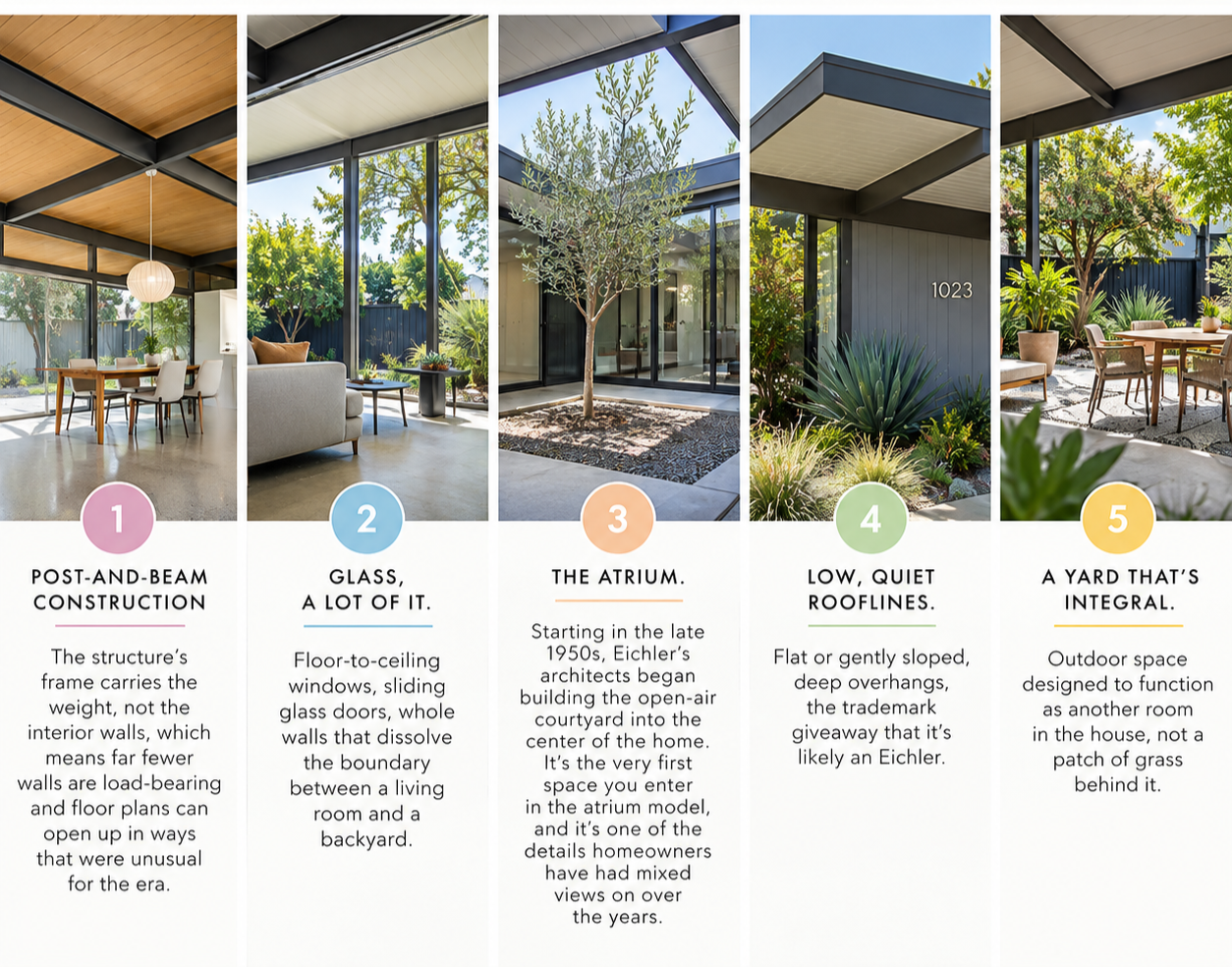
Five crowning features of an Eichler;
Post-and-beam construction. The structure's frame carries the weight, not the interior walls, which means far fewer walls are load-bearing, and floor plans can open up in ways that were unusual for the era.
Glass, a lot of it. Floor-to-ceiling windows, sliding glass doors, whole walls that dissolve the boundary between a living room and a backyard.
The atrium. Starting in the late 1950s, Eichler's architects began building the open-air courtyard into the center of the home. It's the very first space you enter in the atrium model, and it's one of the details homeowners have had mixed views on over the years.
Low, quiet rooflines. Flat or gently sloped, deep overhangs, the trademark give-a-way that its likely an Eichler.
A yard that integral and far from an afterthought. Outdoor space designed to function as another room in the house, not a patch of grass behind it.
The part of the story that isn't about architecture at all
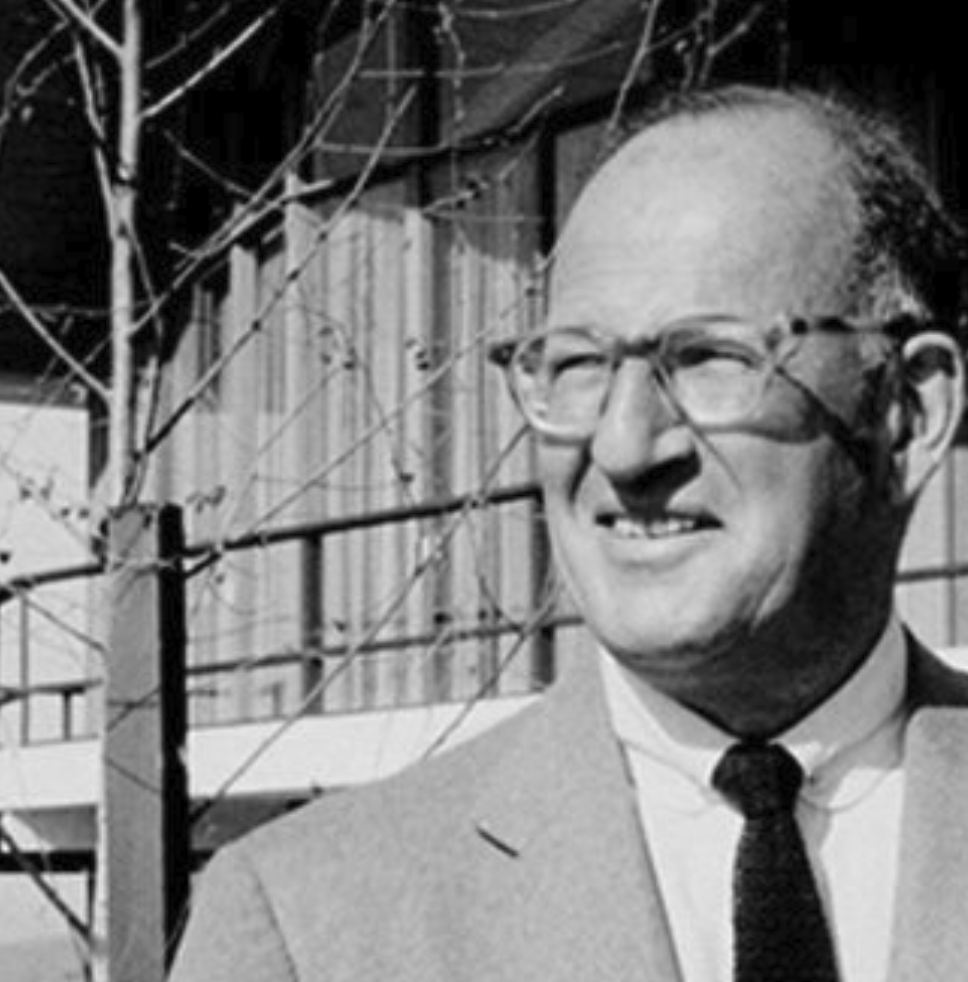
At a time when it was common practice for developers to exclude buyers based on race or religion, Eichler refused to. He was a great advocate for Fair Housing. He sold homes to anyone, and pushed for genuinely integrated neighborhoods. It's easy to talk about these homes purely as a design movement, but the man behind them was making a statement that went well beyond aesthetics. His street names often begin with "Fair" for this reason.
Why the style feels current again
Eichler's original instincts line up with what people always want out of a home: natural light - the number one request most of my buyers always have! and, a real relationship between indoors and outdoors - especially since covid. Open floor plan, open space. Isn't it true that what we all want is to come home to a place that calms us down instead of adding to the chaos? Eichler wasn't chasing a trend. He led it.
One practical thing worth knowing if you're shopping this category: roughly half the Eichlers built in the mid-1950s originally came with radiant floor heating - a feature I personally love. However, as those original systems have expired many homeowners have replaced them with forced air and mini split systems. A lack of radiant heating is not a reason to walk away from a home; it's just a good question to ask early, if you are seeking out that particular feature.
If you're curious what's actually available right now, we keep a running list of Eichler and mid-century modern homes on the market across Silicon Valley. Want it sent to you? Sign up and we'll keep you posted as new ones come up.